Do You Have a Plan B?

Life lessons from the Armed Forces.
In the armed forces, we work with a simple assumption.
Anything can go wrong. And failure is not an option.
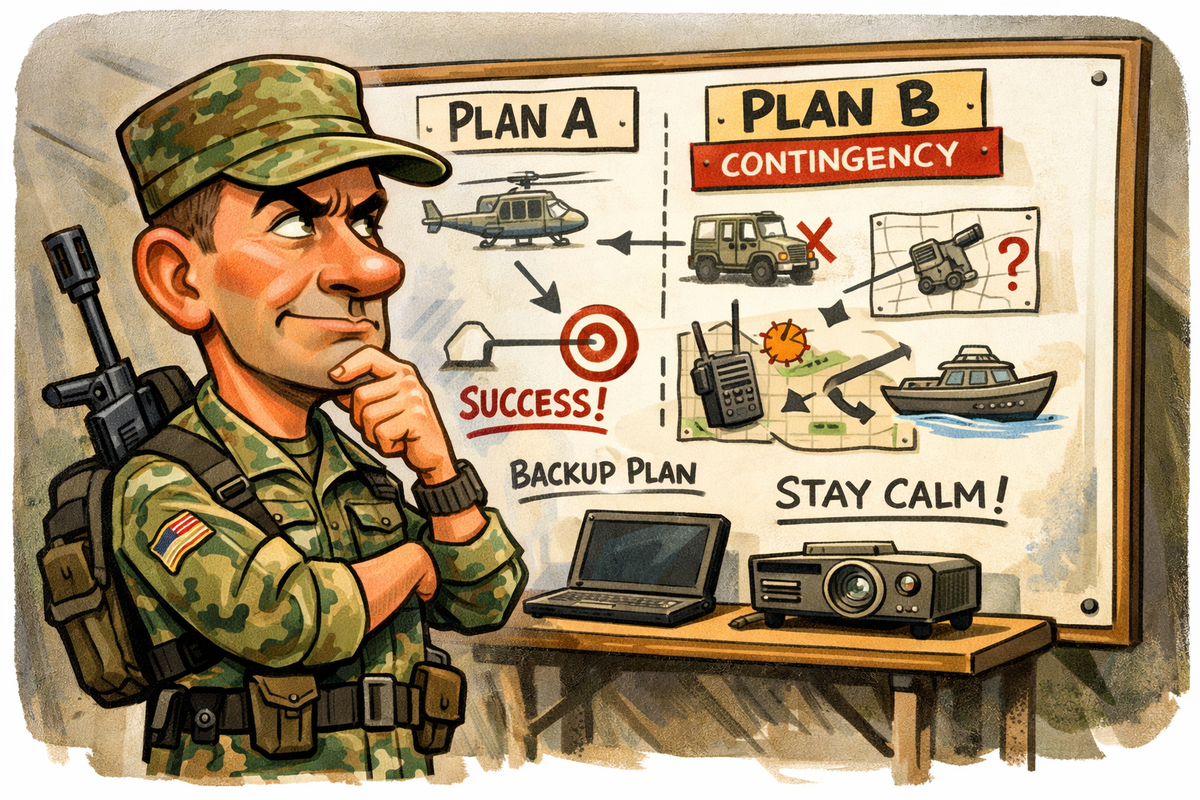
That is why every mission comes with a contingency plan.
Before we move, we already ask the uncomfortable question:
If this fails, then what?
If the main route is blocked, where do we divert?
If communications go down, how do we regroup?
If the worst happens, how do we still complete the mission?
Nothing is left to chance, not because we are pessimistic, but because we are responsible.
The same thinking applies to something as ordinary as a presentation.
Equipment can fail. Files can get corrupted. Power can go out.
So we bring a backup laptop. Sometimes even a backup projector.
Not because we expect failure, but because we respect reality.
Now bring that thinking into civilian life.
If you lose your job tomorrow, what is your Plan B?
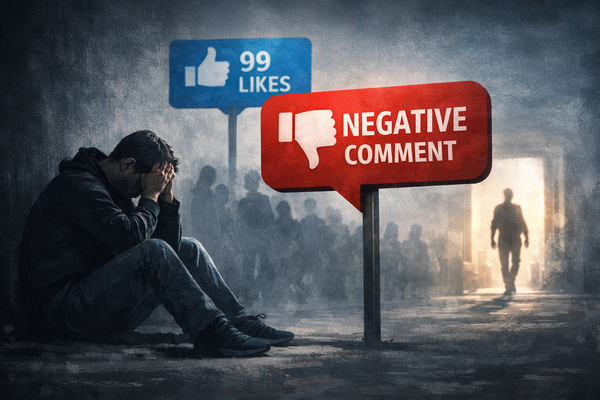
If your computer crashes, or your main social media account is suddenly banned, can your business still operate?
If another Covid-like disruption happens, can you survive for months, not days?
Most people call this being overly cautious.
In the armed forces, we call it professionalism.
Planning for Plan B is not about fear.
It is about not betting your entire future on a single point of failure.
Because when things go wrong, and they eventually will,
the difference between panic and calm is preparation.
And preparation always happens before the crisis, not during it.