Memoir Writing Tip: A Simple Way to Write Your Memoir Stories

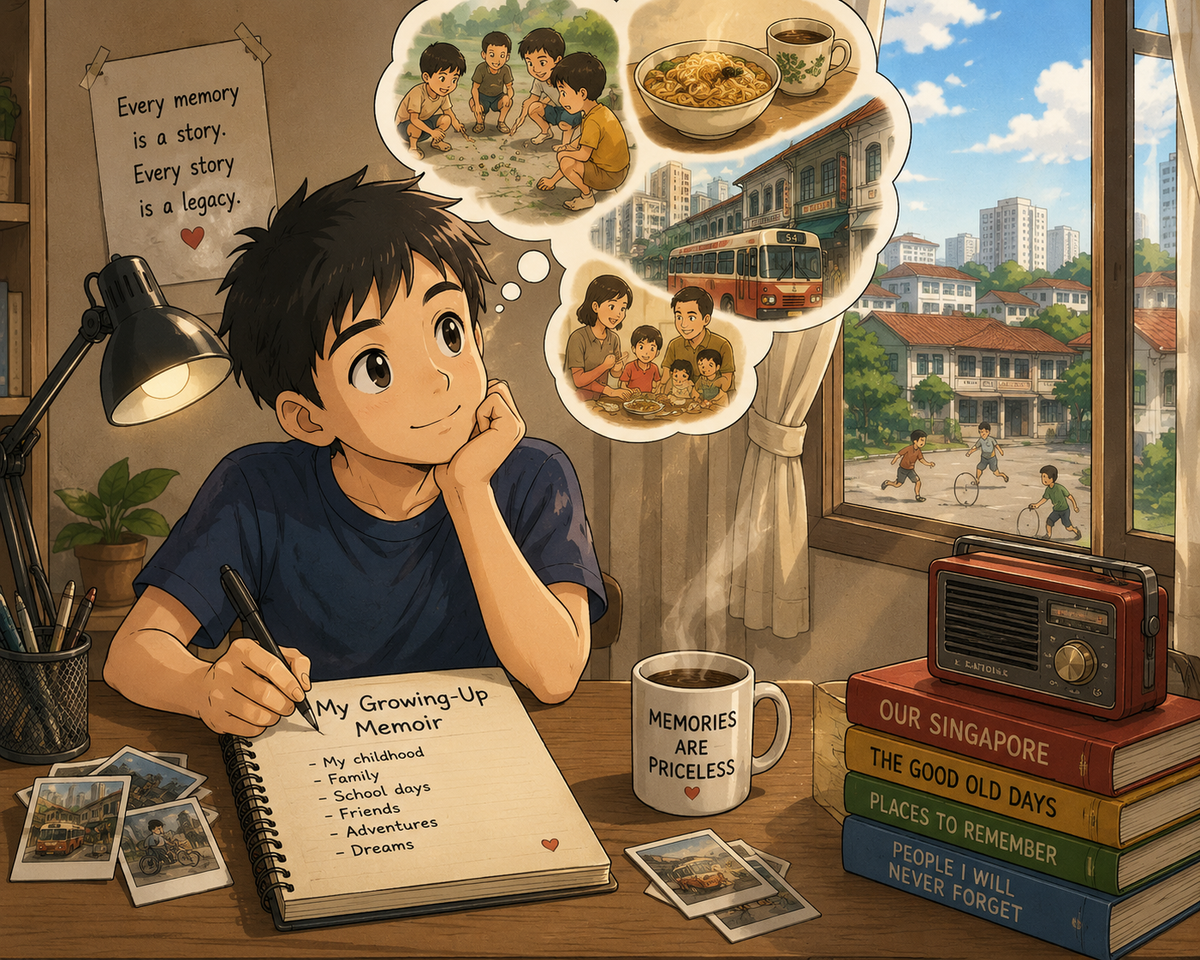
How do I actually turn a memory into a story?
Don't worry too much about writing beautifully. Start with three simple things.
1. What happened?
Tell us the story.
Where were you? How old were you? Who was there? What happened first? What happened next? What did people say or do?
Try to include small details that help us enter your world. Instead of writing, "I used to go to the cinema when I was young," tell us about one particular trip to the cinema. Who went with you? How much was the ticket? What did the cinema look like? What did you buy to eat? What happened that day?
2. How did you feel at the time?
This is what turns an event into a personal story.
Were you excited? Frightened? Embarrassed? Angry? Jealous? Proud? Confused?
Don't worry about whether your feelings were reasonable. Write what the younger you actually felt.
Perhaps something that seems trivial today felt devastating when you were fourteen. That is worth preserving because your memoir should show us how you experienced life then.
3. What do you think about it now?
This is where your present-day self enters the story.
Looking back after all these years, what do you understand now that you did not understand then?
Perhaps you finally understand why your father behaved the way he did. Perhaps something you hated as a child became something you appreciate today. Perhaps you recognise that you were wrong. Perhaps you still have questions.
Your reflection does not need to contain a big life lesson. Sometimes it can simply be: "I didn't realise it then, but that was the last time all five of us were together."
That one sentence can give an ordinary memory a much deeper meaning.
So when you write this week, remember this simple framework:
What happened?
How did I feel then?
What do I understand or feel about it now?
And one more thing: don't try too hard to make every story profound.
Tell the truth. Include the little details. Let us meet the person you were then.
The meaning often appears naturally when you look back.