How to Write a Hook That Readers Can't Resist

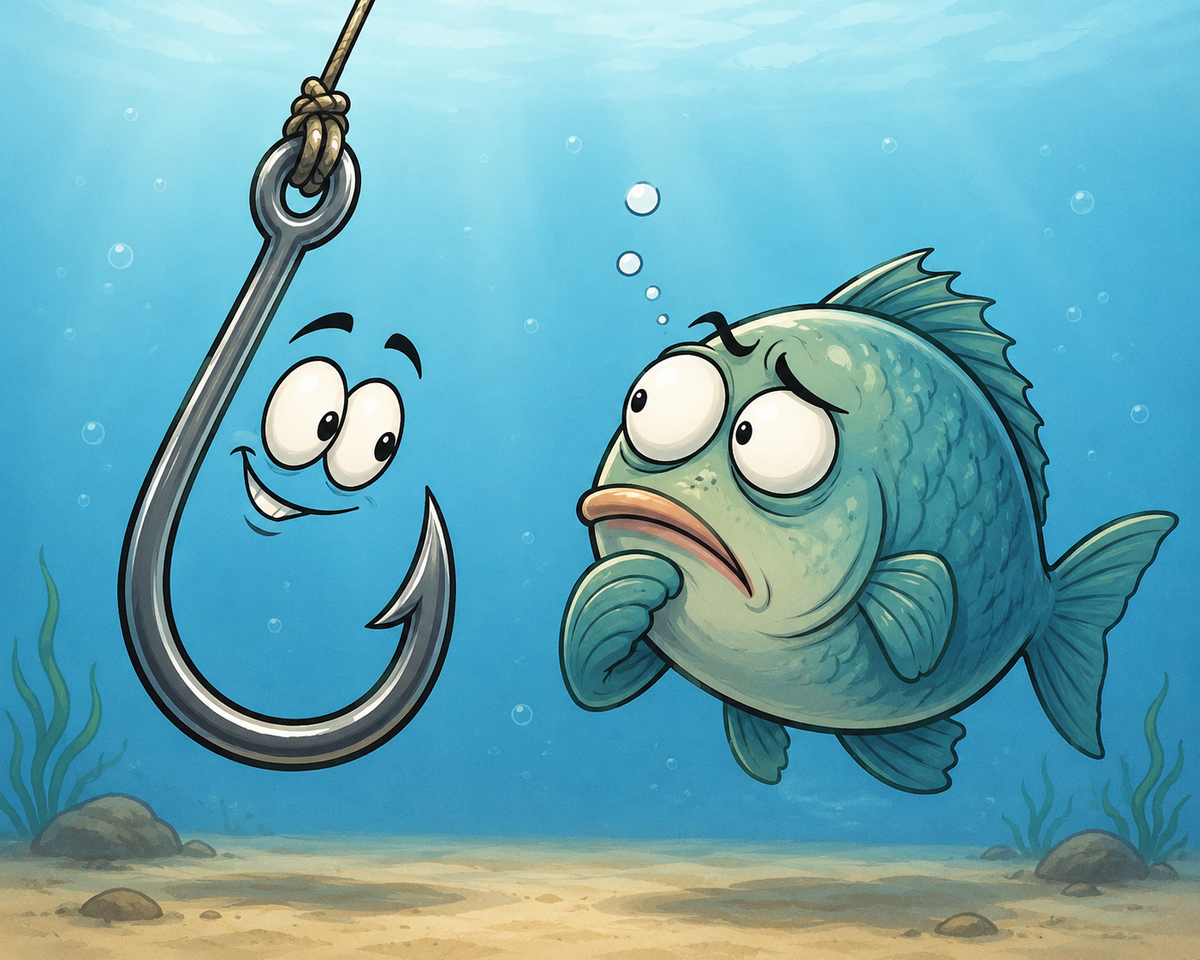
A hook is the opening of a story that captures the reader's attention and makes them want to keep reading. It creates curiosity, emotion, surprise, or tension within the first few sentences.
Think of it as the answer to the reader's silent question:
"Why should I read the next paragraph?"
A strong hook doesn't explain everything. It invites the reader into the story. It gives readers just enough information to become curious, while leaving them wanting more.
Here are nine effective ways to write a hook.
1. Start with a Dramatic Moment
Drop the reader directly into the action.
"The doctor looked at me and said, 'You have six months to live.'"
The reader immediately wants to know what happened next.
2. Start with an Intriguing Statement
Make the reader pause and wonder.
"I attended my own funeral before I turned forty."
The statement raises questions that only the story can answer.
3. Start with a Question
Invite the reader to imagine themselves in the situation.
"What would you do if your child disappeared for five minutes in a crowded shopping mall?"
Questions work best when they are specific rather than generic.
4. Start with Dialogue
Begin with someone speaking.
"'Don't open that envelope,' my father whispered."
Dialogue creates immediacy and curiosity.
5. Start with Emotion
Let readers feel something before they know the details.
"I had never felt so ashamed in my life."
Emotion draws readers into the narrator's experience.
6. Start with an Unusual Image
Paint a memorable scene.
"The wedding cake sat untouched while the bride cried in the car park."
A vivid image makes readers want to know the story behind it.
7. Start with Contrast
Show something unexpected.
"Everyone was celebrating. I was looking for the nearest exit."
Contrast creates instant tension.
8. Start with the Defining Moment
Begin with the moment that changed everything.
"I watched my mother take her final breath."
Rather than building up to the moment, place the reader right inside it.
9. Start with Inner Tension
One of the most compelling hooks is an internal conflict between desire and fear.
The character wants something, but something inside is holding them back.
"I wanted to become a teacher, but I was terrified of standing in front of a classroom."
"I wanted to forgive my father. I just didn't know how to speak to him anymore."
"Every doctor told me I needed surgery. I couldn't bring myself to sign the consent form."
"I had dreamed of skydiving for years. Standing at the open aircraft door, I couldn't move."
Readers naturally want to know how this conflict will be resolved.
Conclusion
Every memorable story begins with a reason to keep reading. A hook is not about revealing everything at once. It is about creating curiosity, emotion, or tension that draws the reader into the next sentence.
Whether you begin with a dramatic event, a striking image, a defining moment, or an inner struggle between desire and fear, your goal is the same: make the reader care enough to turn the page.
If your first sentence makes someone think, "I need to know what happened next," you've written a successful hook.