Human Capital, Version 2.0

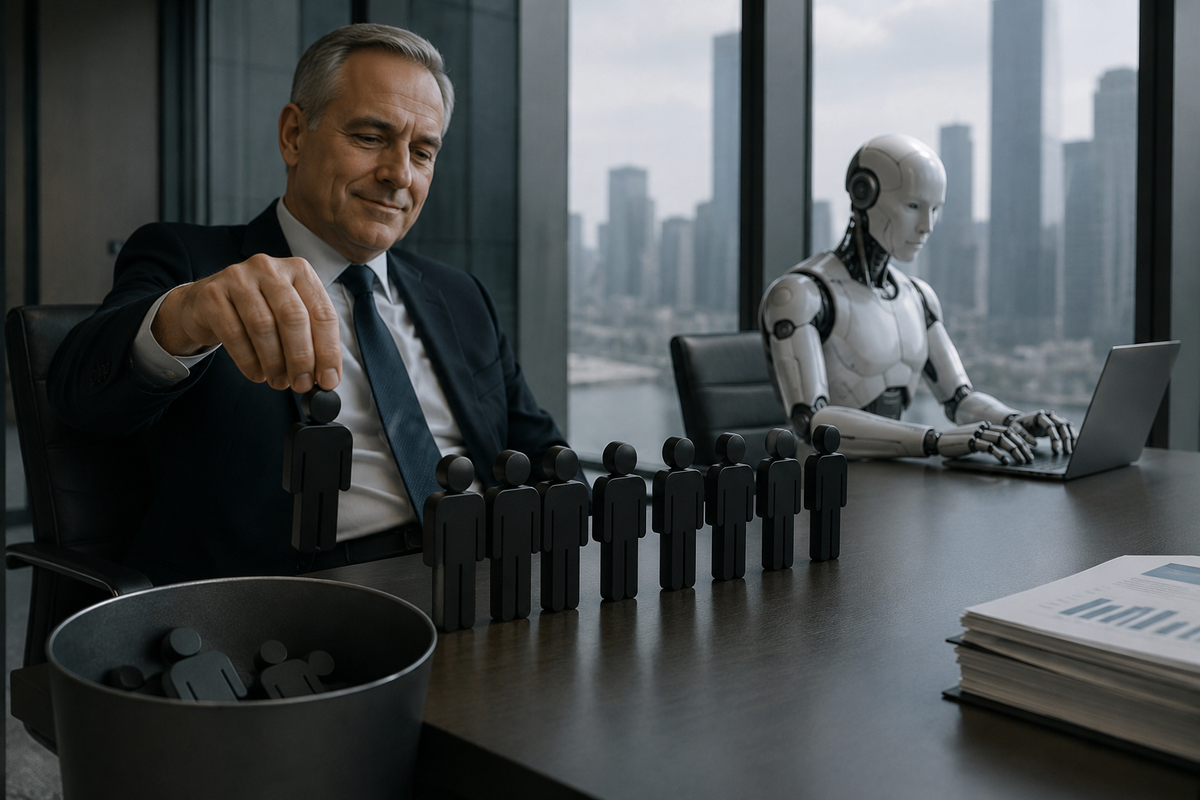
The meeting room was silent.
“Good news,” the CEO announced cheerfully. “We are not removing people. We are optimizing lower-value human capital.”
Everyone nodded nervously while clutching their company-issued laptops like life jackets.
Somewhere in the back row, a manager whispered, “Does that mean I’m medium-value human capital?”
Another employee checked LinkedIn immediately and updated his headline to:
“Emotionally resilient, AI-compatible carbon-based asset.”
The HR department later sent out a wellness email reminding affected staff that:
“People remain our greatest asset until depreciation begins.”
Meanwhile, the coffee machine on Level 18 broke down and received more urgent repair attention than the retrenched staff.
By Friday, workers had stopped calling each other colleagues.
They now introduced themselves like investment products.
“Hi, I’m Darren. Mid-tier operational capital with moderate Excel capability and declining market relevance.”
The AI replacing them was welcomed warmly.
It never asked for leave.
Never burned out.
Never cried in the toilet after performance review season.
Most importantly, it never needed “employee engagement initiatives.”
The shareholders applauded.
The humans updated their resumes.